
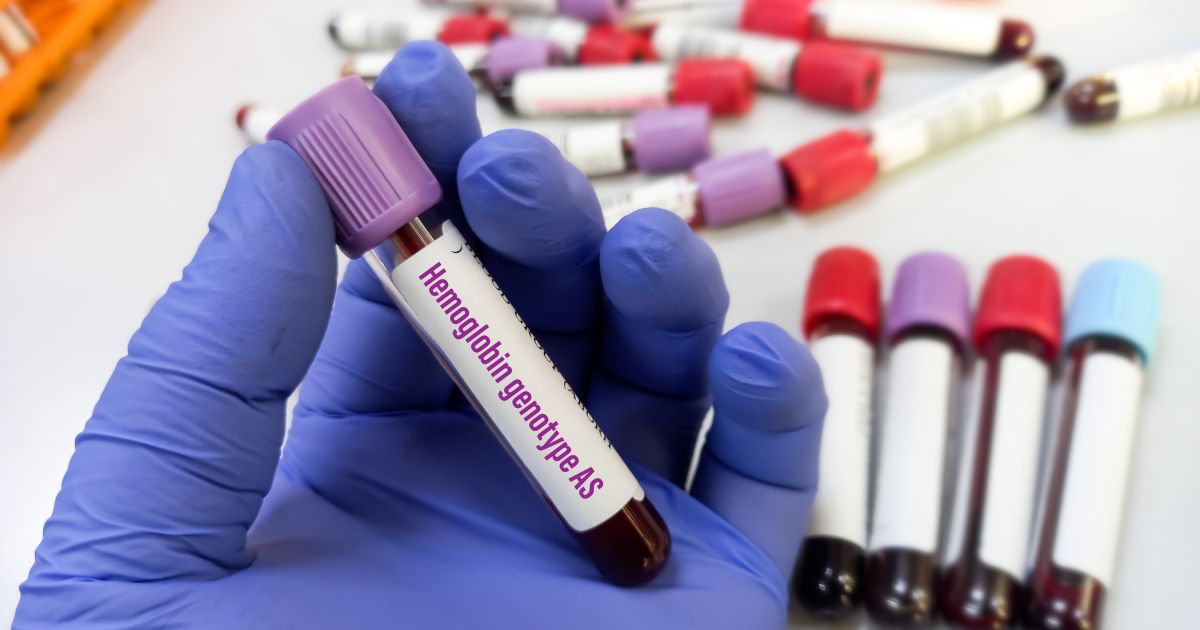
Have you ever been asked, "What’s your genotype?"
For many people, genotype is something mentioned briefly in biology class or during pre-marital counseling. Yet, understanding whether your genotype is AA, AS, or SS is one of the most important steps you can take for your health and the health of your future children.
In this simple guide, we will break down what genotypes are, how they are passed down, what each combination means for your health, and why knowing your status can save lives.
What is a Hemoglobin Genotype?
To understand genotype, we first need to look at hemoglobin—the iron-rich protein inside red blood cells responsible for transporting oxygen from your lungs to the rest of your body.
Your hemoglobin genotype is determined by the genes you inherit from both of your biological parents (one gene from your mother and one from your father). The main gene variants that determine your hemoglobin type include:
A: Normal hemoglobin protein.
S: Sickle cell hemoglobin protein.
C: Another abnormal hemoglobin variant (less common than S).
When these genes pair up, they form your specific genotype. The three most common genotypes are:
AA (Normal hemoglobin)
AS (Sickle cell trait carrier)
SS (Sickle cell anemia)
Genotype Breakdown: What Each Type Means for You
1. Genotype AA: Normal Hemoglobin
If your genotype is AA, it means you inherited normal hemoglobin genes from both parents.
Health Profile: Red blood cells are round, flexible, and move smoothly through blood vessels.
Symptoms: None related to sickle cell disease.
Compatibility: A person with genotype AA can safely have children with anyone (AA, AS, SS, AC, or SC) without the risk of passing down sickle cell disease.
2. Genotype AS: Sickle Cell Trait (Carrier)
If your genotype is AS, you inherited a normal gene (A) from one parent and a sickle gene (S) from the other.
Health Profile: People with AS are referred to as carriers. In most cases, they do not have sickle cell disease and lead completely normal, healthy lives.
Malaria Protection: Interestingly, according to research documented by the World Health Organization (WHO), having the AS trait offers partial protection against severe forms of malaria.
Things to Note: Although carriers rarely display symptoms, extreme conditions such as severe dehydration, low oxygen levels (unpressurized high altitudes), or intense physical exertion can occasionally trigger mild complications. You can read more about trait guidelines on the CDC Sickle Cell Trait Information Page.
3. Genotype SS: Sickle Cell Disease (Anemia)
If your genotype is SS, you inherited the sickle gene (S) from both parents.
Health Profile: Instead of soft, round blood cells, red blood cells become rigid, sticky, and shaped like a crescent moon (or "sickle").
Symptoms: These sickle-shaped cells can get stuck in small blood vessels, blocking blood flow and oxygen delivery throughout the body. This can lead to severe pain episodes (known as vaso-occlusive crises), anemia, fatigue, frequent infections, and organ damage.
Management: Modern medicine, early diagnosis, and treatments like hydroxyurea, blood transfusion therapy, and routine vaccinations have significantly improved the quality of life and lifespan for individuals with SS. Learn more about symptoms and management at the Mayo Clinic Sickle Cell Anemia Guide.
4. Other Genotypes: AC and SC
AC: Similar to AS, an individual with AC carries one normal gene (A) and one abnormal hemoglobin C gene (C). They are carriers and generally asymptomatic.
SC: An individual inherits one S gene and one C gene. While often milder than SS, genotype SC is still a form of sickle cell disease that requires careful medical monitoring.
Genotype Compatibility and Family Planning
When two people decide to have children, their combined genotypes determine the probability of their offspring inheriting sickle cell disease.
Here is how genotype combinations work out statistically for each pregnancy:
Mother's Genotype | Father's Genotype | Possible Child Genotypes | Risk of Sickle Cell Disease (SS) |
AA | AA | 100% AA | 0% risk |
AA | AS | 50% AA, 50% AS | 0% risk |
AA | SS | 100% AS | 0% risk (All children carry trait) |
AS | AS | 25% AA, 50% AS, 25% SS | 25% risk per pregnancy |
AS | SS | 50% AS, 50% SS | 50% risk per pregnancy |
SS | SS | 100% SS | 100% risk per pregnancy |
Important Takeaway: If both partners carry the sickle cell trait (AS + AS), there is a 25% chance (1 in 4) in every pregnancy that the child will be born with sickle cell disease (SS).
How to Check Your Genotype
Checking your genotype is simple, quick, and widely accessible.
Visit a Medical Laboratory or Hospital: Request a Hemoglobin Electrophoresis test.
Blood Sample Collection: A healthcare professional will draw a small sample of blood.
Lab Analysis: The sample undergoes electrophoresis to separate and measure the different types of hemoglobin present.
Get Your Results: You will receive a clear lab report confirming your genotype (e.g., AA, AS, SS, AC).
For detailed information on laboratory testing procedures, refer to the MedlinePlus Hemoglobin Electrophoresis Guide.
Frequently Asked Questions (FAQs)
Can a person's genotype change over time?
No. Your genotype is fixed at conception based on the genetic material inherited from your biological parents. It does not change with age, diet, medication, or blood transfusions. (The only exception is receiving a successful bone marrow or stem cell transplant).
Is AS a disease?
No. AS is a genotype carrying the sickle cell trait, not sickle cell disease. Most individuals with AS live full, healthy lives without experiencing illness related to their genotype.
Can two AS parents have a child with an AA genotype?
Yes. When both parents are AS, there is a 25% probability with each pregnancy that the child will inherit the normal A gene from both parents, resulting in an AA genotype.
Final Thoughts: Knowledge is Empowerment
Knowing your genotype isn't about fear—it’s about making informed choices for yourself and future generations. Whether you are single, planning to marry, or starting a family, getting tested allows you to understand your genetic makeup and make proactive decisions alongside your partner and healthcare providers.
If you don't know your genotype yet, schedule a quick laboratory test today!
Disclaimer: This article is for informational purposes only and should not replace professional medical advice. Always consult a qualified healthcare provider or genetic counselor for personal health decisions.